
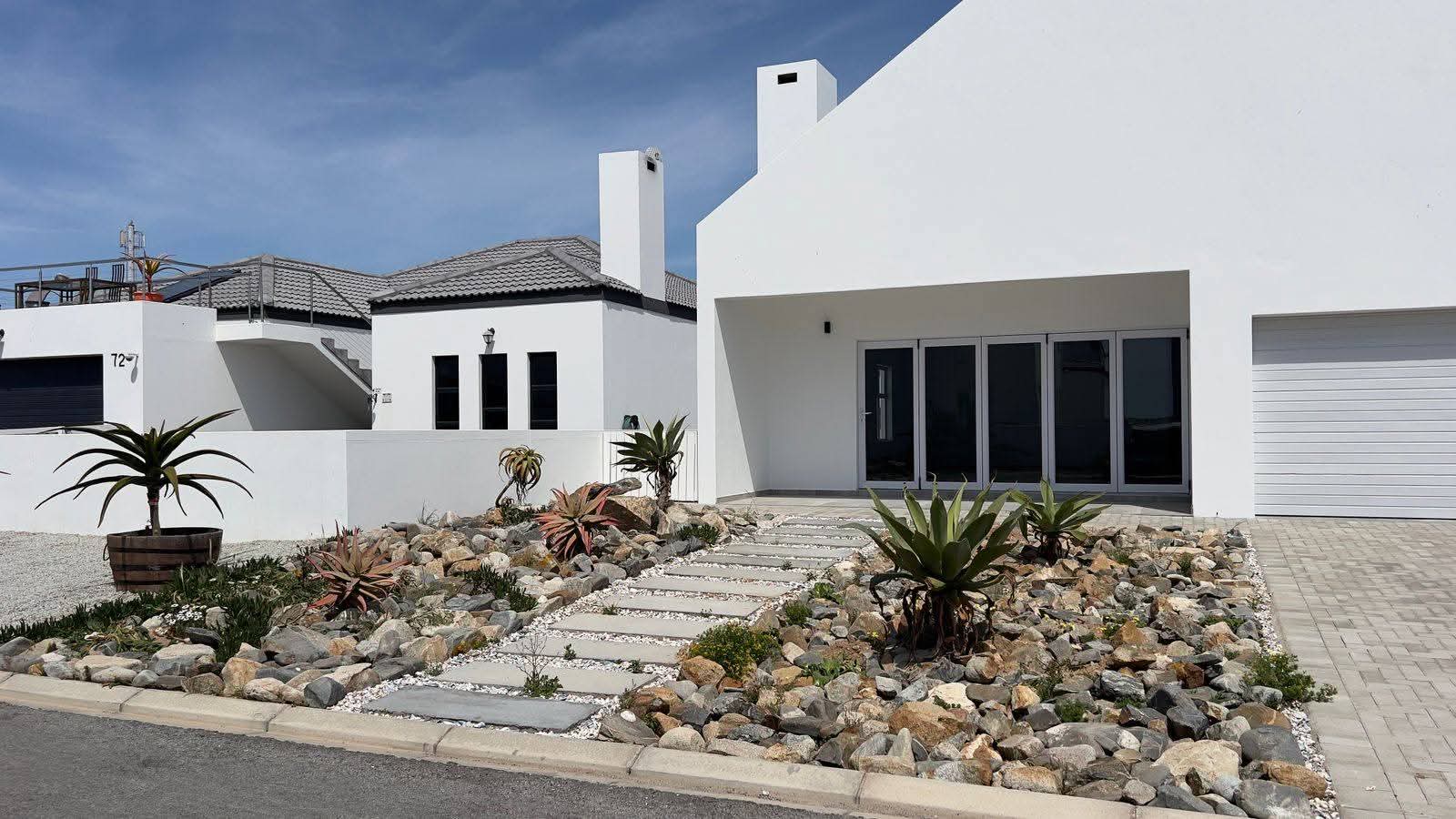

Building a home on the West Coast whether in St Helena Bay, Shelley Point, or Britannia Bay should be exciting.
Unfortunately, many homeowners moving from outside the region buy a stand and unknowingly fall into the hands of unregistered, dishonest, or inexperienced contractors who see them as easy targets.
Construction scams are increasing rapidly in high-growth coastal areas. Below are the most common builder scams on the West Coast, how they work, and how you can protect yourself before choosing a contractor.
1. Fake Contractors Pretending to Be Legitimate Builders
This is the most common construction scam affecting new West Coast homeowners.
How the scam works
- No registered company or legal business structure
- No NHBRC registration
- Photos stolen from other builders’ websites or social media
- Quotes far cheaper than market rates
- Once the deposit is paid, the contractor disappears — or abandons the site halfway
Warning signs
- No physical business address
- No registered company name
- No completed projects in St Helena Bay or the West Coast
- Only communicates via WhatsApp
- Cannot provide real, callable references
How to protect yourself
- Ask for a CIPC registration number
- Verify NHBRC registration (mandatory for new homes)
- Request three recent local clients and speak to them directly
2. Unregistered Builders Working Illegally (No NHBRC)
If a contractor tells you “NHBRC is not needed” — that is false.
THE RISK
Without NHBRC registration:
- You cannot legally build a new house
- You will not receive an Occupancy Certificate (OCC)
- You lose all structural protection and recourse
Worse still, some builders illegally use someone else’s NHBRC number, leaving you completely unprotected.
HOW TO AVOID THE TRAP
Ask one simple question: “What is your NHBRC registration number?”
Then verify it directly with the NHBRC.
If they hesitate, delay, or make excuses — walk away.
3. Illegal Deposits and Excessive Upfront Payments
Unethical builders often demand:
- 40–60% upfront
- “Material deposits” long before work begins
HOW THE SCAM WORKS
You pay a large deposit → materials never arrive → the builder disappears.
What the law and industry standards say
- NHBRC-compliant contracts do not allow massive upfront deposits
- Payments must follow verified construction stages
- Any builder demanding excessive deposits is a major red flag
Safe deposit practice
- Pay only when materials are on-site
- Use stage-based payments tied to measurable progress
4. Ghosting: Builder Starts Strong, Then Disappears
A common West Coast scenario:
Work begins well… then slows… then stops entirely.
Why this happens
- Too many projects at once
- Your deposit used to finish another job
- No stable team or proper equipment
- Short-term cash chasing, not reputation
Warning signs
- Different crews every week
- Long gaps between workdays
- No written schedule
- Endless excuses (“truck issues”, “team sick”, “supplier delays”)
How to avoid it
- Choose builders with full-time, permanent teams
- Demand a clear timeline and weekly updates
- Use contracts with delay penalties
5. Shortcut Work Hidden Behind Plaster and Paint
This is where homeowners lose the most money.
Common hidden shortcuts
- Insufficient steel reinforcement
- Poor soil compaction
- Incorrect concrete mixes
- Weak slabs
- No moisture barriers
- Poor waterproofing in bathrooms
- Cheap, non-coastal-grade roofing materials
These defects often appear months or years later, costing hundreds of thousands to repair.
How shortcuts happen
Scammers cut material costs to increase profit — and homeowners only find out when it’s too late.
How to protect your investment
- Use an independent structural engineer
- Demand SABS-approved materials
- No verbal agreements — everything must be in writing
6. Fake Quotes & Hidden Cost Inflation
Some builders deliberately underquote to win the job.
How it works
- Quote far below market value
- Variations and “unexpected costs” added later
- Final price ends up 40–80% higher
How to avoid this
- Request a fully itemised quote
- Insist on fixed-price clauses
- Never choose a builder purely on price
Cheap almost always means high risk.
7. No Legal Contract (or a Bad One)
Scam builders avoid proper contracts to escape accountability.
A professional building contract must include
- CIPC & NHBRC details
- Clear timeline & milestones
- Stage-based payments
- Delay penalties
- Material specifications
- Engineer details
- Site responsibility rules
- Warranty period
If a builder refuses a proper contract — that’s your answer.
How to Choose a Safe, Trusted Builder on the West Coast
Before hiring any builder, follow this checklist:
✔ Verify NHBRC registration
No NHBRC = No build. Non-negotiable.
✔ Inspect recent local projects
Preferably in:
- St Helena Bay
- Shelley Point
- Britannia Bay
- St Helena Views
✔ Speak to real clients
Ask for direct phone numbers — not testimonials.
✔ Use a proper written contract
Avoid verbal agreements at all costs.
✔ Never pay large upfront deposits
Stage payments only.
Final Thoughts: Protect Yourself Before You Build
The West Coast is growing fast — and that growth attracts opportunists. Many homeowners arrive excited, unfamiliar with local regulations, and trusting by default.
That combination is exactly what scam builders rely on.
By following the steps above, you drastically reduce your risk — and protect your home, your finances, and your peace of mind.
Ready to Build Safely?
NICCOR Construction offers:
- Transparent, detailed contracts
- NHBRC-registered construction
- Qualified, permanent teams
- Clear timelines and communication
- Engineer-approved structural work
- Coastal-grade West Coast building standards